
Best Air Purifier for Baby Nursery Malaysia
Babies breathe faster than adults and their lungs are still developing. If you are setting up a nursery in Malaysia, an air purifier is not a luxury — it is basic protection against haze, dust mites and VOCs.
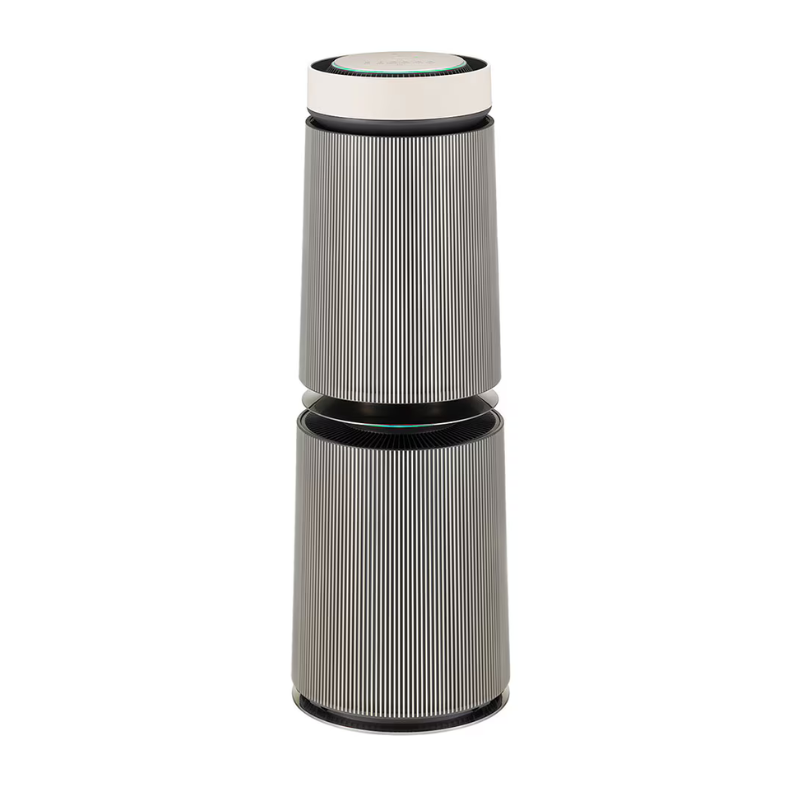
Setting up a nursery is one of the most exciting parts of preparing for a new baby. You choose the cot, the mattress, the curtains — but the air your baby breathes is just as important as the surfaces they sleep on. In Malaysia, where haze season overlaps with the monsoon cycle and homes are sealed with aircond most of the day, a HEPA air purifier in the nursery is one of the most practical investments new parents can make.
This guide explains what to look for in a nursery air purifier, which pollutants matter most for newborns, and which LG PuriCare models are best suited for the job.
Why babies need cleaner air than adults
Babies breathe 40-60 times per minute — roughly twice the rate of adults. Their lungs are still developing, and the air-blood barrier in their alveoli is thinner, which means airborne pollutants are absorbed more easily into their bloodstream.
Three indoor pollutants are particularly concerning for nurseries:
PM2.5 (fine particulate matter). During haze season, outdoor PM2.5 infiltrates even air-conditioned homes. Exposure in the first year of life is linked to increased risk of respiratory infections and reduced lung development. The World Health Organization recommends indoor PM2.5 levels below 15 ug/m3 — Malaysian homes during haze can reach 50-80 ug/m3 without filtration.
VOCs (volatile organic compounds). New furniture, fresh paint, cot mattresses, cleaning products and even baby wipes release VOCs. Formaldehyde from pressed wood furniture is particularly common in Malaysian homes. These gases irritate airways and are not removed by HEPA filters alone — you need an activated carbon layer.
Dust mite allergens. Malaysia's warm, humid climate is ideal for dust mites. Their faecal particles (10-40 microns) become airborne when bedding is disturbed and are a major trigger for eczema and wheezing in infants.
What to look for in a nursery air purifier
H13 HEPA filtration (minimum). This is the grade that captures 99.97% of particles at 0.3 microns — including PM2.5, pollen, mould spores, bacteria and dust mite allergens. All LG PuriCare models use H13 HEPA.
Activated carbon filter. Essential for VOC and formaldehyde removal. Look for a multi-stage filter that includes a carbon or deodorisation layer alongside the HEPA.
Low noise at minimum speed. Babies sleep 14-17 hours a day. The purifier will run continuously in the nursery, so noise matters more here than in any other room. Look for models rated 20-26 dB at minimum speed — quieter than a library.
No ozone emission. Some air purifiers use ionizers or plasma that produce trace ozone. While LG's ionizer models emit ozone well below safety thresholds, some paediatricians recommend avoiding ionizers entirely for newborn rooms. Look for models where the ionizer can be switched off, or choose models without one.
Smart monitoring. PM2.5/PM1.0 sensors with app connectivity let you check nursery air quality from another room — useful for night monitoring without opening the door.
Best LG PuriCare models for a baby nursery
| Model | Coverage | Noise (min) | From | Key nursery feature |
|---|---|---|---|---|
| 360 HIT | 61.2 m2 | 20 dB | RM50/mo | Quietest, ionizer can be turned off |
| AeroFurniture | 19.8 m2 | 21 dB | RM60/mo | Side-table design, Qi wireless charging |
| AeroBooster | 52.8 m2 | 21 dB | RM65/mo | BAF allergy certified, slim tower |
| Alpha Pet Double | 104 m2 | 26 dB | RM105/mo | Baby Care mode, PM1.0 sensor |
Best budget pick: LG PuriCare 360 HIT (from RM50/month)
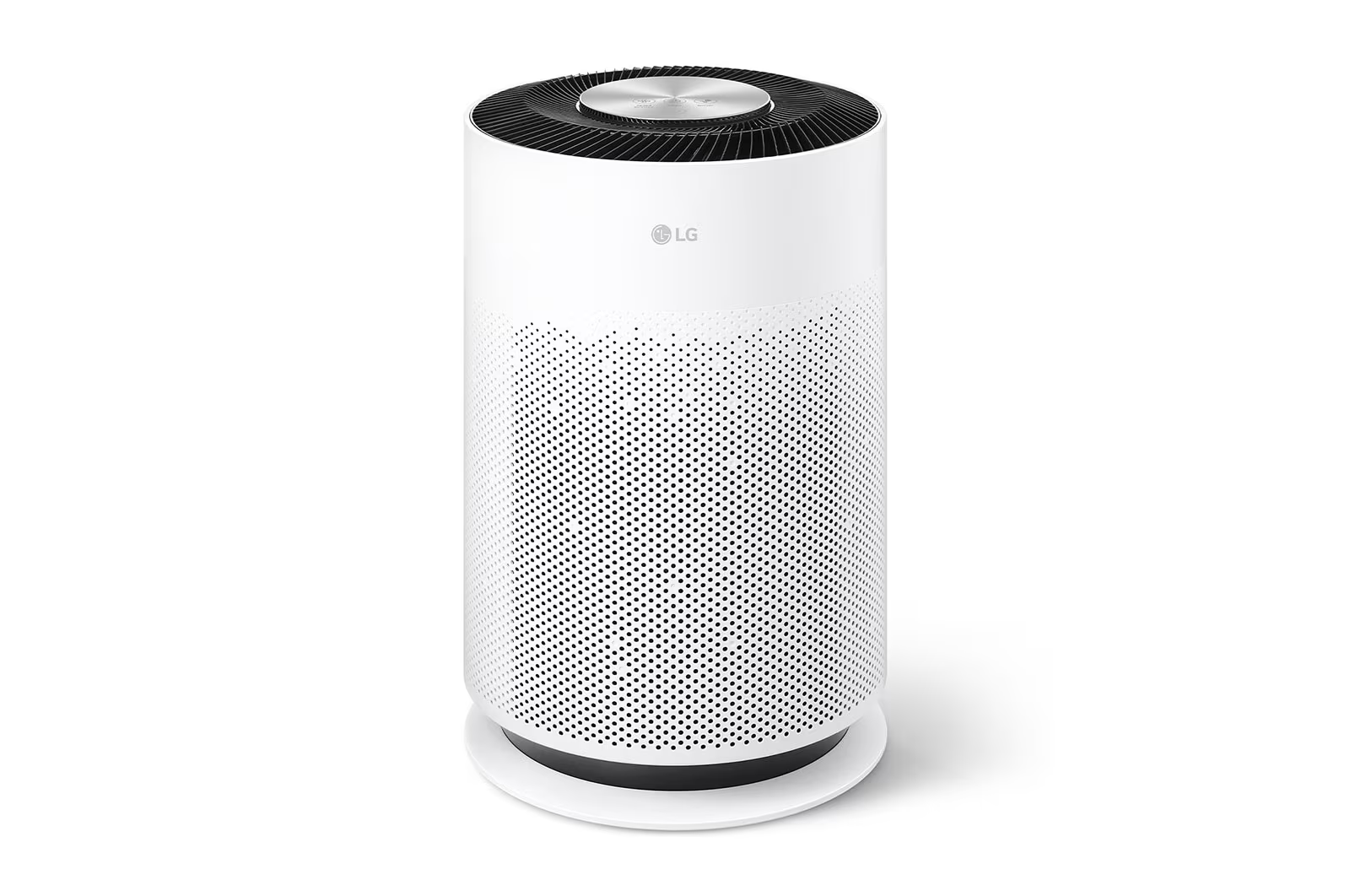
The 360 HIT (AS60GH) is the most affordable LG air purifier and also the quietest at 20 dB minimum — barely audible even in a silent nursery at night. It covers 61.2 m2, which is more than enough for any nursery (most Malaysian nurseries are 10-15 m2).
The 360-degree air intake means it works effectively regardless of placement. The H13 HEPA filter handles PM2.5, dust mite allergens and mould spores. The ionizer and Clean Booster circulate purified air across the room. Importantly, the ionizer can be toggled off via the remote if you prefer to run HEPA-only in the nursery.
PM10, PM2.5 and PM1.0 sensors provide real-time air quality readings on the display and through the LG ThinQ app. The 5-step fan control (Auto/Low/Mid/High/Turbo) means you can lock it on Low for overnight use.
At RM50/month, this is the entry point for nursery air purification — and honestly, for most nurseries in Malaysia, it is all you need.
Best for: Budget-conscious parents who want proven H13 HEPA filtration at the lowest price.
Best for small nurseries: LG PuriCare AeroFurniture (from RM60/month)
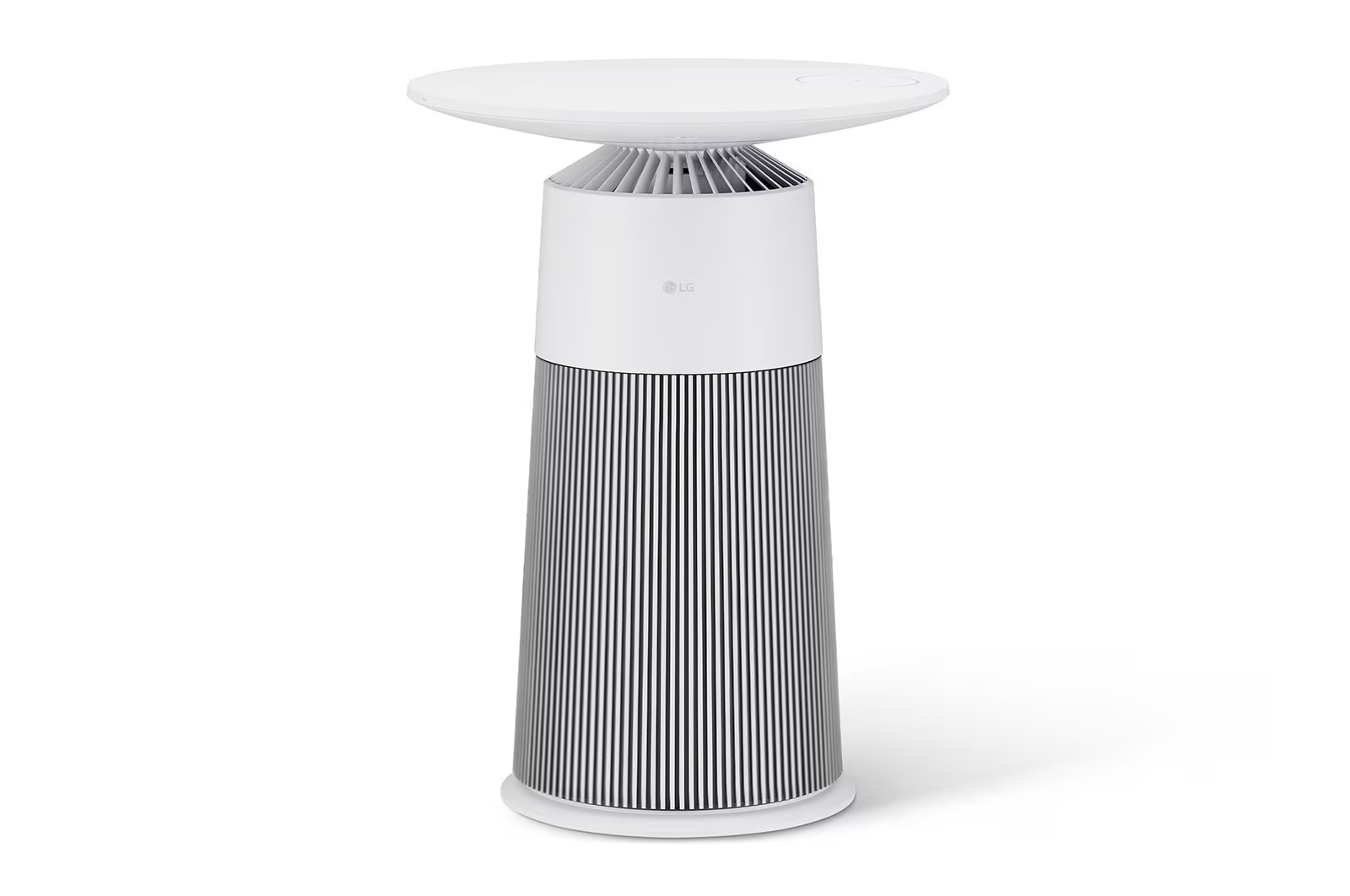
The AeroFurniture (AS20GP) covers 19.8 m2 — which matches a typical Malaysian nursery exactly. Its side-table form factor means it replaces a bedside table next to the cot, saving floor space in a small room.
The H13 Aero Series V filter and UVnano sterilisation keep the output clean. Noise at minimum is 21 dB. The built-in Qi wireless charging pad on top is a practical bonus — you can charge your phone while doing night feeds without reaching for a cable.
Mood lighting at the base provides a soft glow that works as a nightlight — adjustable brightness and colour through the app. This is genuinely useful in a nursery where you want dim light for night checks without switching on the main light.
At RM60/month, it costs RM10 more than the 360 HIT but doubles as furniture and a nightlight. For nurseries under 20 m2, it is the most space-efficient option.
Best for: Small nurseries where space is tight, parents who want a built-in nightlight and wireless charging.
Best for allergy-prone families: LG PuriCare AeroBooster (from RM65/month)
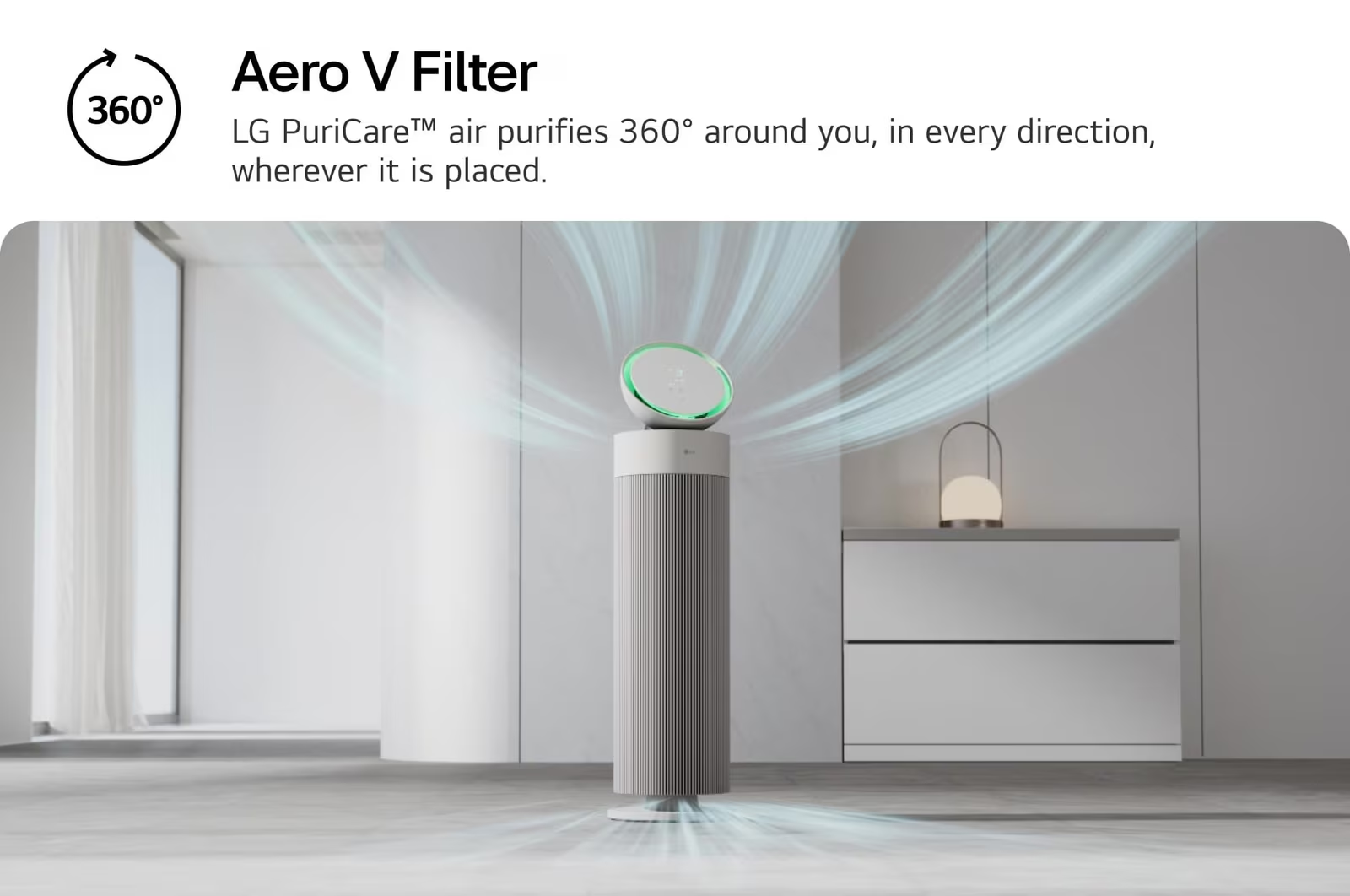
The AeroBooster (AS55GGWX0) is BAF (British Allergy Foundation) certified — an independent verification that the unit reduces airborne allergens effectively. If your family has a history of eczema, asthma or allergic rhinitis, this certification provides an extra layer of confidence.
It uses dual H13 HEPA filters in a slim 240 mm tower. The CADR of 411 CMH means it cycles the air in a 52.8 m2 room multiple times per hour. UVnano sterilises the fan blades to prevent bacterial buildup. Noise at minimum is 21 dB.
The Clean Booster on top directs purified air up to 7.5 metres — useful if the cot is across the room from where the purifier sits.
At RM65/month, it sits between the budget 360 HIT and the premium Alpha Pet Double. For parents with allergy concerns, the BAF certification makes this the strongest choice.
Best for: Families with allergy history, nurseries in haze-prone areas, parents who want independent allergy certification.
Best premium option: LG PuriCare Alpha Pet Double (from RM105/month)
The Alpha Pet Double (AS10GDBY0) might seem like an odd choice for a nursery — it has "Pet" in the name. But it is the only LG model with a dedicated Baby Care mode and a PM1.0 sensor (the finest particle measurement in the range).
Baby Care mode optimises the purifier for nursery use: it prioritises ultra-fine particle capture, runs at lower noise levels, and provides enhanced air quality alerts through the app when PM1.0 readings spike. The PM1.0 sensor detects particles down to 1 micron — smaller than what PM2.5 sensors catch — giving you a more accurate read on nursery air quality.
With 104 m2 coverage and dual V-Pet H13 filters, it is overkill for the nursery alone. But if you also have pets in the house, this single unit can handle the shared living space during the day and the nursery hallway at night. The 4-step colour indicator (red/orange/yellow/green) is visible from across the room — a quick glance tells you whether air quality is good without checking the app.
At RM105/month, it is the premium option. Worth it for households that have both a baby and pets, or parents who want the most advanced air quality monitoring available.
Best for: Households with pets and a baby, parents who want PM1.0 monitoring and Baby Care mode.
Setting up your nursery air purifier
Place it at least 1 metre from the cot. Direct airflow on a sleeping baby can disturb their sleep and dry out their skin. Position the purifier across the room or to the side.
Run it 24/7 on auto or low. Nursery air should be continuously filtered, not just cleaned when you think of it. Auto mode adjusts based on real-time readings. If your baby is a light sleeper, lock it on the lowest manual setting overnight.
Close the nursery door. A sealed room with a purifier creates a clean-air zone. If the door is open, the purifier has to work against the rest of the house.
Replace filters on schedule. On LG Subscribe, this is handled for you — filters arrive on schedule or a technician visits depending on your plan. If you bought outright, set a calendar reminder. A clogged filter is worse than no filter.
Air out the room before baby arrives. New furniture, paint and flooring off-gas the most in the first 2-4 weeks. If possible, set up the nursery and run the purifier for at least 2 weeks before your baby sleeps there. Open windows during the day if outdoor air quality permits, and let the purifier handle the remainder.
Related reading
Next step
Expecting soon and want to get the nursery ready? Send us a message on WhatsApp with your nursery size and any allergy concerns — we will recommend the right model and have it installed before your due date.
Get a plan recommendation tailored to your home.
Chat with our LG Subscribe consultants on WhatsApp. We'll walk through your needs and send a quick recommendation with no pressure to commit.