
NeoChef Smart Inverter Microwave: What Inverter Actually Does in a Microwave
Standard microwaves work in pulses — full power on, then off, then on again. Inverter microwaves run continuously at variable power. The difference shows up in defrosting, reheating leftovers, and cooking foods that hate being blasted.
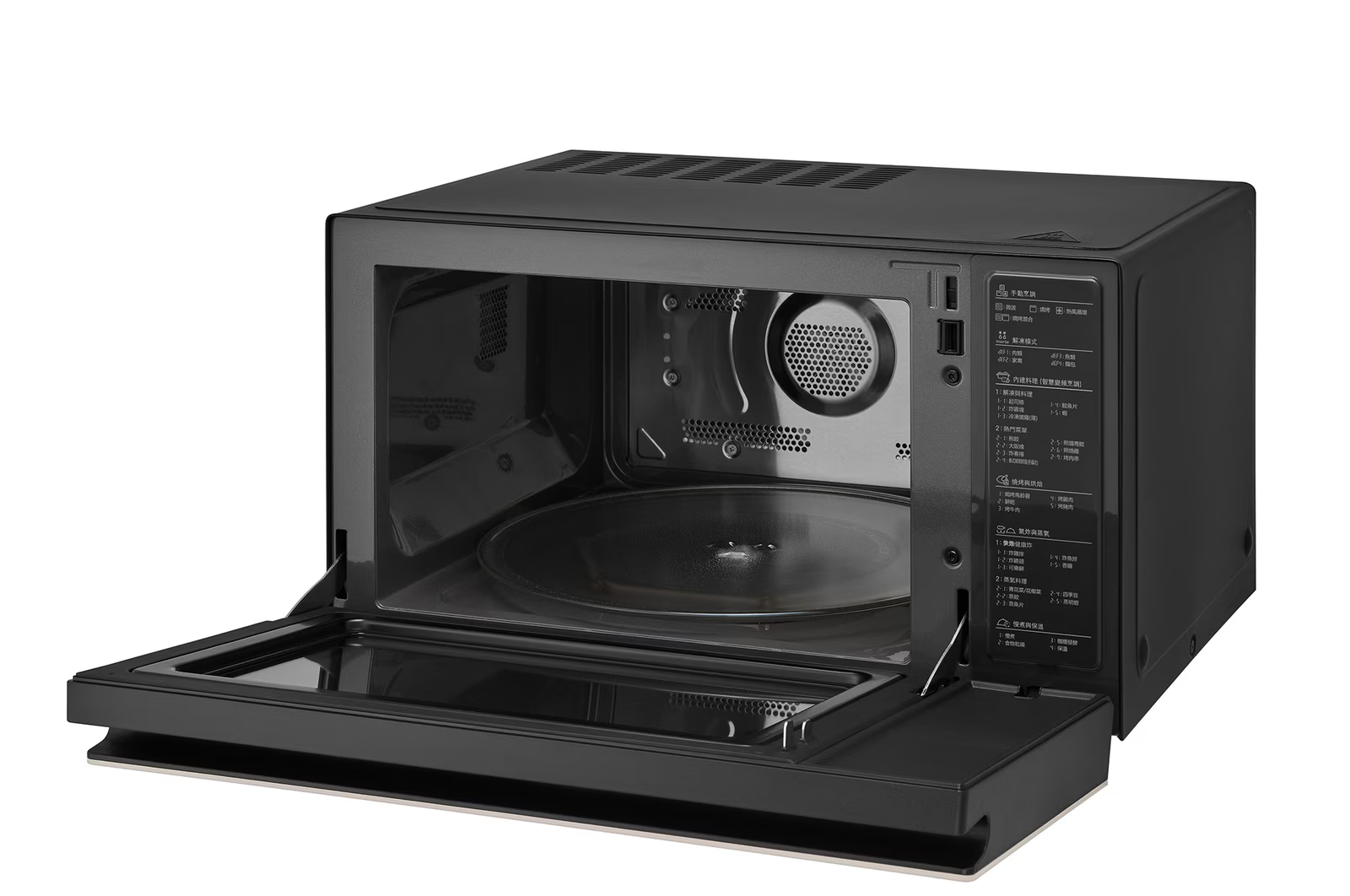
"Inverter" is a familiar word in aircond and washing machine marketing. In a microwave, it is more recent and more misunderstood. Here is what it actually does, and why it matters for the food you cook.
How a standard microwave works
A standard microwave has one power level: full. When you select 50% power, it does not run at half strength — it cycles on at full for a few seconds, then off, then on again, alternating until the timer expires.
That is fine for boiling water. It is bad for almost everything else.
Reheating rice at 50% power on a standard microwave means the rice surface gets blasted with full microwave energy for 3 seconds, then sits cold for 3 seconds, then gets blasted again. The outside hardens. The middle stays cold. The whole bowl gets unevenly hot pockets.
Defrosting chicken at 30% power has the same problem in a worse way: the edges start cooking while the centre is still frozen.
What a Smart Inverter does
An inverter microwave varies the power continuously. When you select 50%, it actually runs at 50% — the microwave field is steady, lower-intensity, with no on-off cycling.
The food sees consistent gentle heat instead of pulse-blasts. Three practical results:
1. Defrosting works. A chicken thigh thaws evenly instead of having cooked edges and frozen centres. The texture survives.
2. Reheating leftovers tastes like leftovers, not microwave food. Curry stays smooth. Rice stays fluffy. Bread does not get rubbery in the middle.
3. Cooking actual recipes is possible. Steaming fish, melting chocolate, softening butter, proofing dough — all things that fail in a standard microwave because the power swings too hard. An inverter handles them.
Concrete examples
What the 39L NeoChef adds
Beyond inverter cooking, the LG NeoChef 39L Smart Inverter Microwave Oven (Objet Collection) brings three things worth flagging:
The Objet Collection finish is design-led — beige or matte body — so the unit fits visible kitchens instead of being relegated to a cabinet.
What it costs to run
A 1000W microwave on a 5-minute reheating cycle uses about 0.08 kWh — that is RM0.04 per use at TNB 2026 rates. Even at 4 uses per day, monthly electricity cost is around RM5. Inverter does not save meaningful electricity on a microwave — the savings show up in food quality, not your TNB bill.
When inverter is worth the price gap
A standard 25L microwave costs RM350–500. An inverter 39L NeoChef costs more. The price gap is justified if:
It is not worth it if:
For most homes that cook, the inverter advantage is real. Once you have used one, going back to a standard microwave is noticeable — and not in a good way.
Subscription fit
Microwaves are usually a buy-once category. The LG Subscribe model is more relevant for households that want a bundle (microwave + dishwasher + fridge, for example) where the subscription covers the whole kitchen at one monthly rate, with maintenance and replacement bundled if anything breaks during the term.
For a single microwave purchase, buying outright may still make sense. For a kitchen refresh, the bundle math changes.
Related reading
Next step
Upgrading from a basic microwave to an inverter NeoChef? Message us on WhatsApp with your kitchen cabinet dimensions and your typical reheating use case. We will recommend the right capacity tier — 25L or 39L — and bundle it with a kitchen subscription if it makes sense.
Get a plan recommendation tailored to your home.
Chat with our LG Subscribe consultants on WhatsApp. We'll walk through your needs and send a quick recommendation with no pressure to commit.